What Is Solar PV and Why It Matters Today
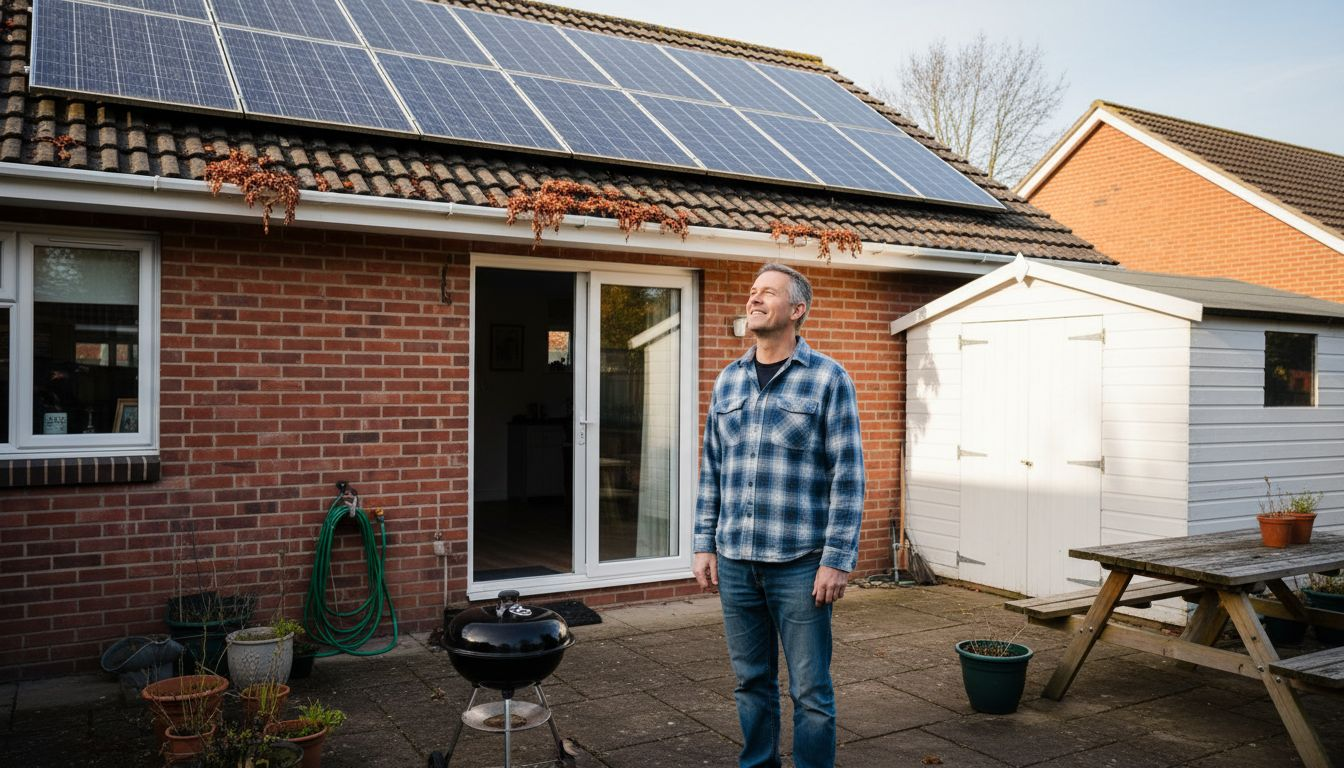
Most advice about solar energy comes packed with myths, but the american approach to clean power proves otherwise. For many European homeowners and small business owners, understanding solar PV systems means uncovering opportunities to cut costs and support real sustainability. With efficiency levels now reaching around 22 percent, solar panels deliver reliable performance even on cloudy Central European days. This guide exposes common misconceptions, shares proven facts, and highlights how modern solar solutions work for real-world needs.
Table of Contents
Key Takeaways
Point | Details |
Solar PV Efficiency | Modern solar PV systems can achieve efficiency rates around 22% and perform well in various weather conditions. |
Types of Solar Panels | The three main types of solar panels—monocrystalline, polycrystalline, and thin-film—offer different efficiencies and applications. |
Legal Compliance in 2026 | Future solar PV installations will require adherence to updated regulatory standards and interconnection requirements to ensure safety and efficiency. |
Financial Considerations | Understanding system size, local regulations, and battery integration is crucial to maximizing ROI in solar PV investments. |
Solar PV Basics and Debunking Common Myths
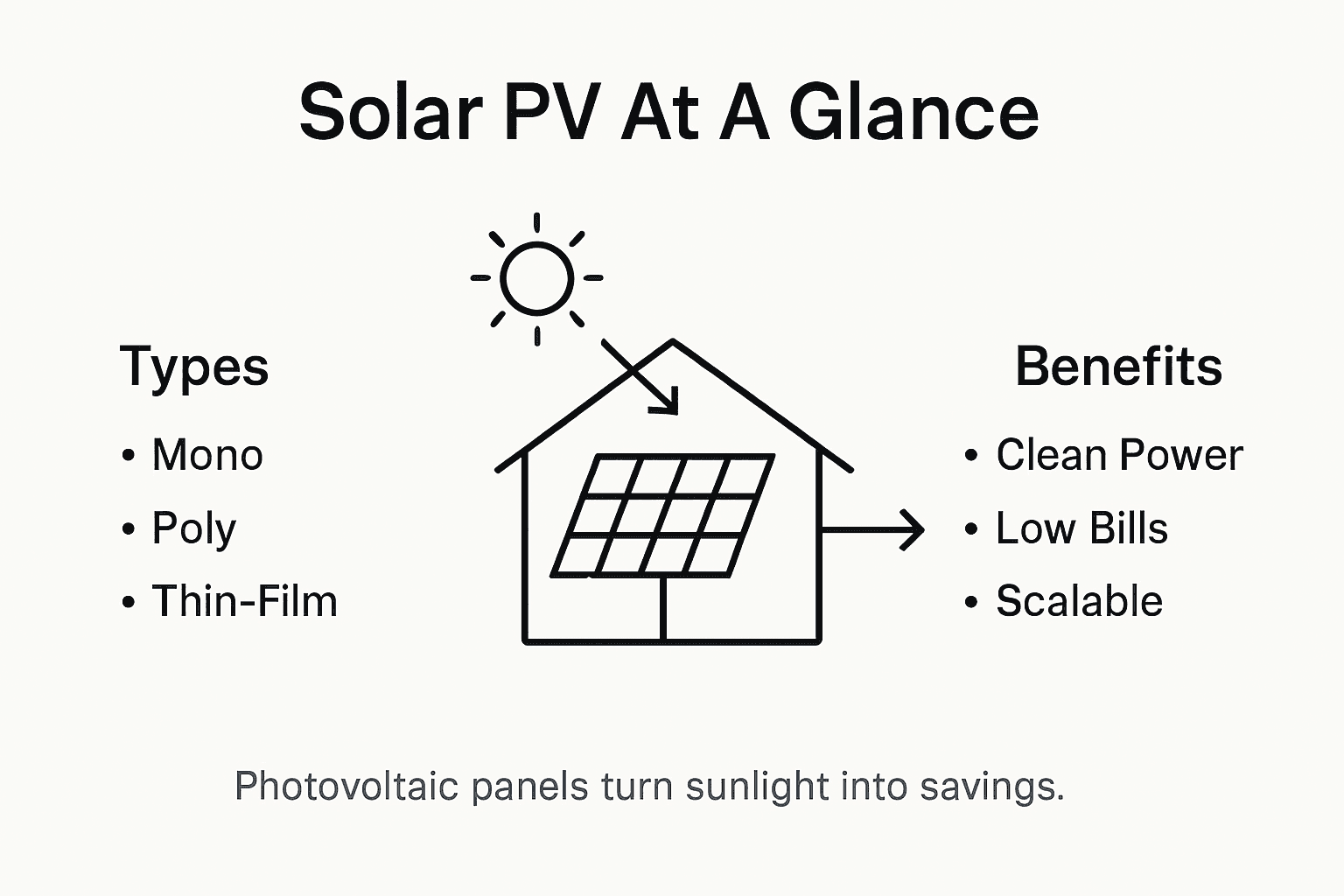
Solar photovoltaic (PV) technology represents a groundbreaking approach to generating clean electricity directly from sunlight. By leveraging semiconductor materials, these systems convert solar radiation into usable electrical power with remarkable efficiency and versatility. Unlike traditional energy generation methods, solar PV systems can be scaled from small residential installations to massive utility-grade power stations.
Contrary to popular misconceptions, solar panels are not limited to bright, sunny environments. Modern PV technology performs effectively across diverse weather conditions, generating electricity even during cloudy or cold days. The semiconductor cells capture and transform solar energy through a process that works surprisingly well in multiple climates. Efficiency rates around 22% demonstrate substantial power generation potential, proving that solar technology has advanced significantly beyond early prototype systems.
A typical solar PV system consists of several critical components working in harmony. These include:
Photovoltaic Modules: Semiconductor panels that directly convert sunlight into electrical current
Mounting Structures: Specialized frames that position panels for optimal sun exposure
Inverters: Devices that transform direct current (DC) electricity into alternating current (AC) for home and business use
Battery Storage Systems: Optional components that enable energy storage for nighttime or low-sunlight periods
Pro tip: Before investing in a solar PV system, request a professional site assessment to determine your specific solar potential and optimal panel configuration.
Key Types and How Solar PV Systems Work
Solar photovoltaic systems are categorized into three primary types: monocrystalline, polycrystalline, and thin-film solar panels. Monocrystalline panels are manufactured from single-crystal silicon, offering the highest efficiency rates and most premium performance. These panels are recognized by their uniform dark appearance and rounded edges, typically achieving efficiency levels between 17% to 22%.
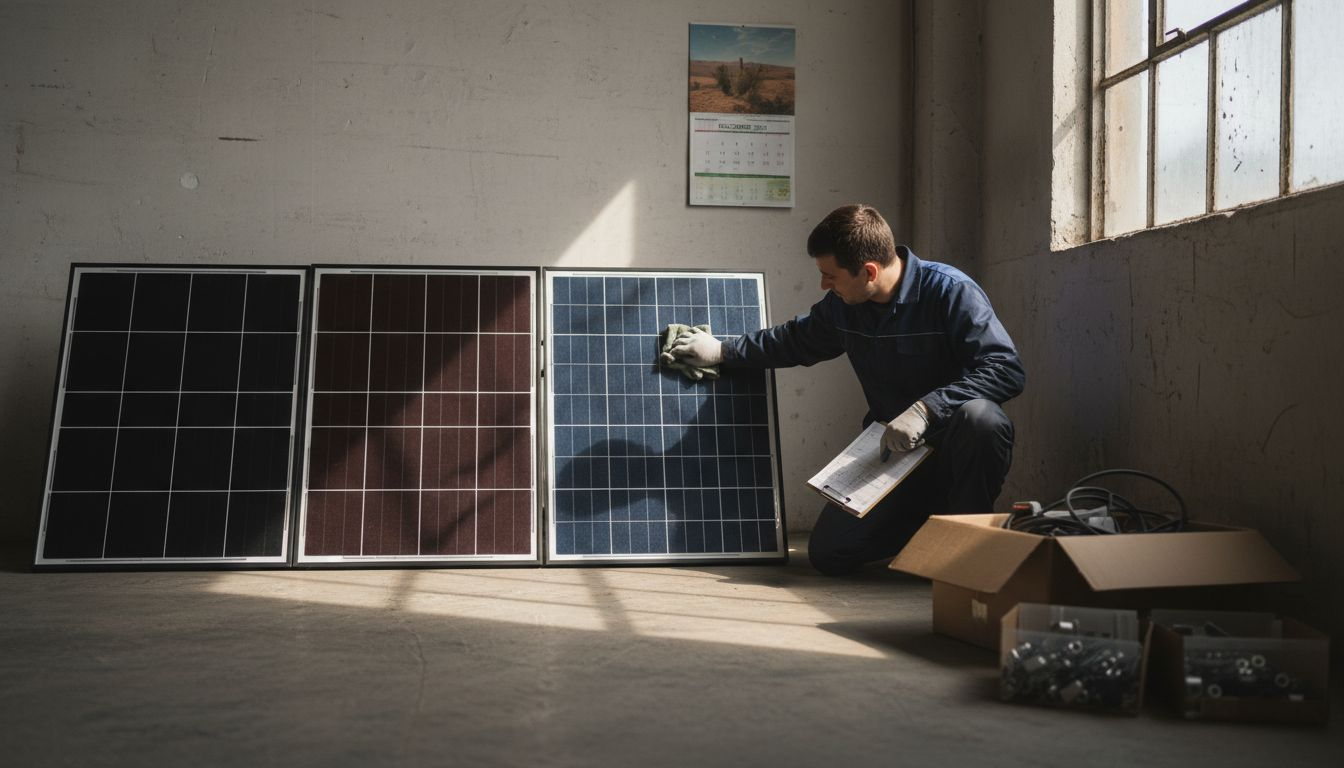
Polycrystalline panels represent a more economical alternative, constructed from multiple silicon crystal fragments melted together. These panels have a distinctive blue speckled appearance and slightly lower efficiency rates compared to monocrystalline designs. Thin-film solar panels offer unique advantages, including flexibility and lightweight construction, making them ideal for specialized applications like portable solar systems or architectural integration.
Here is a side-by-side comparison of the main solar PV panel types and their key attributes:
Panel Type | Efficiency Range | Appearance | Best Use Case |
Monocrystalline | 17% to 22% | Uniform dark, rounded | High-performance installations |
Polycrystalline | 15% to 17% | Blue speckled, square | Cost-conscious projects |
Thin-Film | 10% to 13% | Flexible, lightweight | Portable and integration use |
The fundamental operation of solar PV systems involves several critical stages of energy conversion:
Photon Absorption: Solar cells capture sunlight through semiconductor materials
Electron Excitation: Photons trigger electrons to generate electrical current
Current Transformation: Inverters convert direct current (DC) into usable alternating current (AC)
Energy Distribution: Electrical current is routed through home or business electrical systems
Pro tip: Consult with a professional solar installer to determine which panel type best matches your specific energy requirements and budget constraints.
Legal Requirements for Solar PV in 2026
In 2026, solar photovoltaic (PV) installations must navigate an increasingly complex landscape of regulatory standards and interconnection requirements. These legal frameworks are designed to ensure the safe, reliable, and efficient integration of solar energy systems into existing electrical infrastructure. Compliance involves meeting stringent electrical codes, safety regulations, and grid interconnection protocols that protect both consumers and utility providers.
The European Union has been particularly proactive in establishing comprehensive legal guidelines. Eco-design and energy performance standards now mandate specific requirements for solar equipment, focusing on critical aspects such as product durability, environmental sustainability, and overall system performance. These regulations aim to protect consumer interests while driving technological innovation and supporting broader climate and energy transition goals.
Key legal considerations for solar PV installations in 2026 include:
Electrical Code Compliance: Meeting national and local electrical safety standards
Grid Interconnection Approval: Obtaining necessary permits for electrical grid connection
Equipment Certification: Ensuring solar components meet approved performance and safety specifications
Environmental Regulations: Adhering to sustainability and waste management guidelines
Pro tip: Work with a certified solar installer who stays current with the latest regulatory requirements to ensure your solar PV system meets all legal and technical standards.
Integrating Solar PV With Batteries and EVs
The convergence of solar photovoltaic systems, battery storage, and electric vehicles represents a transformative approach to sustainable energy management. Behind-the-Meter Storage research demonstrates the potential for comprehensive energy integration, enabling homeowners and businesses to create more resilient and efficient energy ecosystems. This innovative approach allows for intelligent energy management, where solar generation, battery storage, and electric vehicle charging work seamlessly together.
Advanced control strategies now enable dynamic energy optimization across multiple systems. Electric vehicle batteries can serve as flexible storage solutions, absorbing excess solar generation during peak production hours and providing power back to the home or grid during high-demand periods. Innovative projects like SOLMATE are exploring ways to reuse solar PV panels and electric vehicle batteries, creating circular economy approaches that maximize resource efficiency and reduce overall environmental impact.
Key integration strategies include:
Smart Energy Management Systems: Coordinating solar generation, battery storage, and EV charging
Bidirectional Charging: Enabling electric vehicles to serve as mobile energy storage units
Peak Shaving: Reducing electricity costs by using stored solar energy during high-price periods
Grid Resilience: Supporting local electrical infrastructure through distributed energy resources
Pro tip: Consult with an energy systems integrator to design a customized solution that optimally connects your solar PV, battery storage, and electric vehicle charging infrastructure.
Real Costs, Incentives, and Mistakes to Avoid
Solar energy costs have dramatically decreased, making photovoltaic systems an increasingly attractive investment for homeowners and businesses across Europe. The financial landscape for solar PV has transformed, with installation costs dropping significantly and operational expenses becoming more predictable. Government incentives and progressive energy policies have further enhanced the economic attractiveness of solar investments, creating multiple pathways for cost recovery and long-term financial benefits.
The European market is experiencing a surge of affordable solar technologies, with emerging trends highlighting rooftop solar installations and integrated battery storage solutions. Investors and homeowners must navigate these opportunities strategically, understanding the nuanced financial considerations that impact overall system performance and return on investment. Careful planning can help maximize economic advantages while avoiding common pitfalls that might compromise system effectiveness.
Key financial considerations and potential mistakes include:
The table below summarizes common financial pitfalls and related solutions for solar PV investments:
Pitfall | Impact on ROI | Avoidance Strategy |
Oversizing system | Higher upfront cost | Match system size to needs |
Skipping permit research | Project delays | Confirm regulations early |
Missing battery option | Limited self-use | Assess storage requirements |
Underestimating maintenance | Unexpected expenses | Plan for routine upkeep |
Oversizing Systems: Installing capacity beyond actual energy consumption needs
Neglecting Local Regulations: Failing to understand permitting and grid connection requirements
Ignoring Battery Integration: Missing opportunities for energy storage and grid independence
Underestimating Maintenance Costs: Not budgeting for long-term system upkeep and potential component replacements
Pro tip: Engage a professional solar consultant to perform a comprehensive site assessment and financial modeling before making your investment decision.
Unlock the Full Potential of Your Solar PV Investment with Belinus
Understanding the mechanics and benefits of solar PV is essential but realizing its full value requires integrated, intelligent solutions. This article highlights common challenges such as system sizing, energy storage, and legal compliance that can reduce returns and reliability without expert guidance. Belinus addresses these pain points head-on by offering a complete energy ecosystem that combines advanced solar PV installations, cutting-edge battery storage, and smart EV charging managed through a centralized Energy Management System.
Optimize your clean energy journey with:
Custom-tailored solar PV installations designed to fit your needs precisely and maximize efficiency
Innovative battery solutions like our graphene-based Energy Wall that safeguard your energy independence
Seamless integration of EV chargers ensuring you power your vehicles sustainably while benefiting from peak shaving and grid services
Take control of your energy future today with Belinus. Visit Belinus to explore how our residential and commercial solutions can make solar PV work smarter and harder for you. Don’t wait until 2026 legal requirements or rising electricity costs force costly adjustments. Act now to build a resilient, cost-effective, and eco-friendly energy system tailored to your lifestyle and business goals.
Frequently Asked Questions
What is solar PV technology?
Solar photovoltaic (PV) technology converts sunlight directly into electricity using semiconductor materials. It is a clean energy generation method that can power everything from homes to large utility installations.
How does a solar PV system work?
A solar PV system captures sunlight through photovoltaic modules, which then excite electrons to produce electrical current. This current is transformed from direct current (DC) to alternating current (AC) by inverters for use in homes or businesses.
What are the main types of solar PV panels?
The main types of solar PV panels include monocrystalline, polycrystalline, and thin-film panels. Monocrystalline panels are the most efficient, polycrystalline panels are a more cost-effective option, and thin-film panels are lightweight and flexible for specialized applications.
What are the legal requirements for installing solar PV systems?
Legal requirements for installing solar PV systems include compliance with electrical codes, obtaining grid interconnection approval, ensuring equipment certification, and adhering to environmental regulations. It’s important to work with a certified solar installer to navigate these requirements.
Recommended
Comments