Solar PV for Homes Explained: Smarter Energy Independence
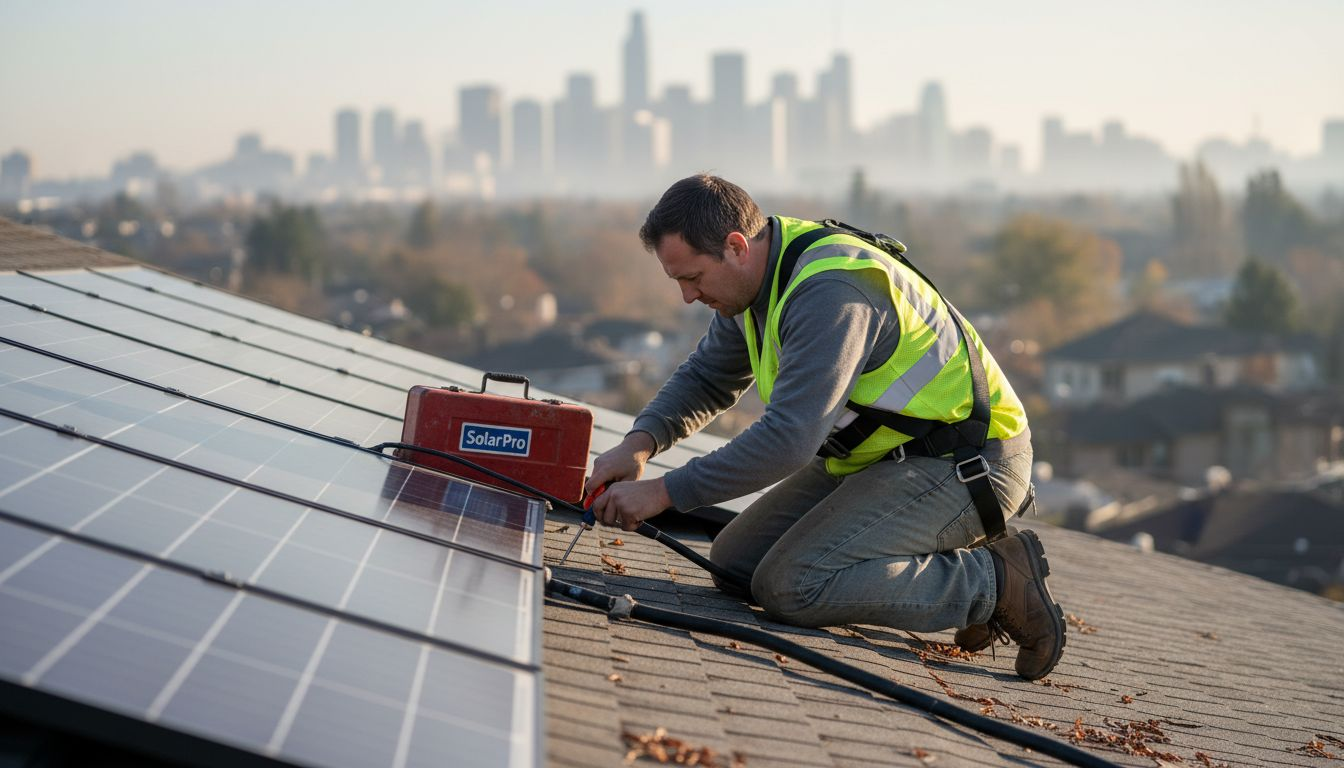
More homeowners in Central Europe are embracing solar PV solutions as energy prices continue to climb. With advanced systems inspired by American innovation, you can turn sunlight into substantial savings while lowering your environmental impact. The latest PV technologies and energy management tools are reshaping residential power, putting you in control of how and when you use clean electricity. Discover practical insights for maximizing your investment and achieving greater energy independence.
Table of Contents
Key Takeaways
Point | Details |
Understanding Solar PV | Solar PV technology converts sunlight into electricity using solar cells, empowering homeowners to generate their own power. |
System Types | Grid-connected systems are common for urban settings, while stand-alone systems offer energy independence for remote locations. |
EU Regulations | Compliance with EU laws ensures safety and performance standards for residential solar PV installations. |
Financial Considerations | Homeowners should evaluate initial costs, government incentives, and long-term savings before investing in solar solutions. |
What Is Solar PV and How It Works
Photovoltaic (PV) technology represents a groundbreaking method of generating electricity directly from sunlight, transforming solar energy into usable power for homes and businesses. Solar PV systems convert sunlight into electrical energy using semiconductor materials like silicon, creating an innovative renewable energy solution that is becoming increasingly accessible for homeowners across Central Europe.
At the core of solar PV technology are specialized solar cells, which function like microscopic power generators. When sunlight strikes these semiconductor materials, it triggers a fascinating physical process: photons from sunlight knock electrons loose, generating an electrical current. These PV cells are strategically combined into modules and arrays to produce meaningful amounts of power, allowing homeowners to generate their own electricity right from their rooftops.
The typical residential solar PV system includes several key components working together seamlessly:
Solar Panels: Capture sunlight and convert it into direct current (DC) electricity
Inverters: Transform DC electricity into alternating current (AC) electricity used by home appliances
Mounting Structures: Securely position panels for optimal sun exposure
Electrical Connections: Route generated electricity into the home’s power system
Optional Battery Storage: Store excess energy for use during low sunlight periods
Pro tip: When evaluating solar PV systems, focus not just on panel efficiency but also on the overall system design and potential energy generation in your specific geographic location.
Key Types of Residential Solar PV Systems
Residential solar PV systems offer multiple configurations to meet diverse energy needs, allowing homeowners to choose solutions that best match their specific requirements. The primary categorization of these systems revolves around their connection to the electrical grid and their operational characteristics, providing flexibility for different residential settings across Central Europe.
Grid-Connected Systems represent the most common residential solar PV configuration. These systems operate in direct synchronization with the utility grid, enabling homeowners to both consume and feed electricity back into the network. Key features include:
Ability to draw power from the grid during low sunlight periods
Option to sell excess electricity back to utility companies
Typically do not require battery storage
Lower installation and maintenance complexity
Stand-Alone Systems provide complete energy independence for remote locations or homes seeking maximum self-sufficiency. These systems integrate batteries and sometimes hybrid technologies like wind generators to ensure consistent power supply, making them ideal for areas with unreliable grid infrastructure or homeowners prioritizing energy autonomy.

Additionally, residential solar PV systems can be further distinguished by their mounting and technological approaches:
Here’s a side-by-side summary comparing the two main residential solar PV system types:
System Type | Grid-Connected Home PV | Stand-Alone Home PV |
Grid Dependency | Uses public grid when needed | Full energy independence |
Battery Requirement | Not typically required | Essential for power storage |
Installation Cost | Usually lower | Generally higher |
Best Suited For | Urban and suburban homes | Remote or off-grid homes |
Fixed-Tilt Arrays: Stationary panels installed at a predetermined angle
Tracking Arrays: Panels that dynamically follow the sun’s movement
Building-Integrated PV (BIPV): Solar technologies seamlessly incorporated into building materials
Pro tip: Consult with a local solar professional to determine which system configuration best suits your home’s specific energy consumption patterns and geographical location.
Latest EU Laws and Certifications for Home Solar
EU renewable energy regulations establish comprehensive legal frameworks governing residential solar PV installations, ensuring safety, performance, and grid compatibility across member states. These intricate regulations provide a standardized approach to solar technology implementation, protecting homeowners and supporting the transition to sustainable energy solutions.
The certification process for home solar systems involves multiple critical components:
Technical Standards Compliance: Installations must meet specific engineering and safety requirements
Grid Interconnection Regulations: Ensuring seamless integration with existing electrical infrastructure
Performance Verification: Independent testing and validation of system capabilities
Environmental Impact Assessment: Evaluating the ecological footprint of solar technologies
National authorities like Germany’s DIN and TÜV play crucial roles in establishing and enforcing these technical standards, creating a robust framework for solar PV system approvals. These certification bodies conduct comprehensive evaluations that cover electrical safety, structural integrity, and system efficiency, providing homeowners with confidence in their renewable energy investments.
Key compliance requirements for residential solar installations include:
Mandatory registration in national renewable energy databases
Adherence to EU ecodesign directives
Obtaining official certifications from recognized testing institutions
Demonstrating grid compatibility and safety standards
Pro tip: Always request comprehensive documentation and official certification details from your solar installer to ensure full compliance with current EU renewable energy regulations.
Integrating Solar, Battery, and Energy Management
Energy storage technologies have revolutionized residential solar power systems, enabling homeowners to capture and utilize solar energy beyond traditional generation hours. This integration creates a sophisticated ecosystem where solar panels, batteries, and intelligent management systems work together to maximize energy efficiency and independence.
The core components of an integrated solar energy system include:
Solar PV Panels: Primary energy generation source
Battery Storage: Energy preservation and backup power
Smart Inverters: Converting and managing electrical currents
Energy Management System (EMS): Intelligent control and optimization platform
EU research initiatives are actively driving advanced battery technologies and integration strategies to support carbon neutrality goals. These technologies enable dynamic energy management, allowing homeowners to store excess solar production, reduce grid dependency, and even participate in energy trading during peak demand periods.
Key benefits of integrated solar, battery, and energy management systems include:
Increased energy self-consumption
Enhanced grid resilience
Reduced electricity costs
Minimized carbon footprint
Potential revenue through energy trading
Pro tip: Invest in a comprehensive energy management system that offers real-time monitoring and predictive algorithms to maximize your solar energy utilization and financial returns.
Costs, Savings, and Common Mistakes to Avoid
Solar PV investment savings depend on multiple complex financial and technical factors, requiring homeowners to conduct thorough assessments before making significant renewable energy decisions. Understanding the true economic landscape helps prevent unexpected expenses and maximize long-term financial benefits.
Financial considerations for residential solar installations include:
Initial Investment: Equipment and installation costs
Electricity Rate Variations: Local utility pricing
Net Metering Policies: Potential energy credit mechanisms
Government Incentives: Tax credits and renewable energy rebates
System Performance: Efficiency and energy generation potential
Protecting yourself from potential solar energy scams requires careful research and vigilant consumer practices, especially given the complex renewable energy marketplace. Red flags include high-pressure sales tactics, promises of unrealistic savings, and demands for immediate financial commitments without comprehensive system analysis.
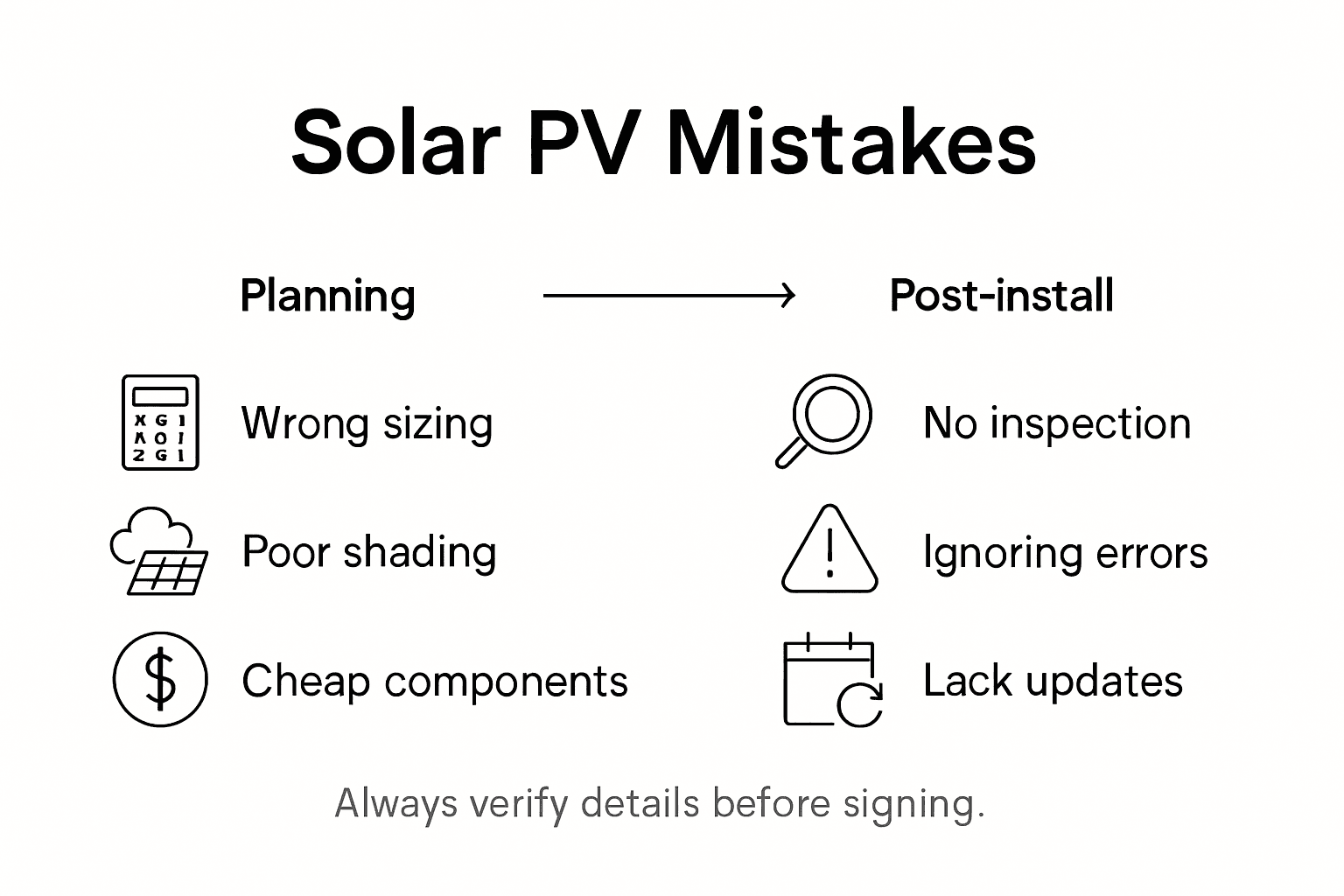
Common mistakes homeowners should avoid include:
The table below summarizes key financial and risk considerations before investing in solar PV:
Factor | Impact on Homeowners | Importance Level |
Government Incentives | Can reduce installation cost | High |
Electricity Rates | Affect annual savings | Medium to High |
Maintenance Needs | Influence long-term savings | Medium |
Fraud Prevention | Protects financial investment | Critical |
Skipping professional energy consumption assessment
Overlooking roof condition and solar potential
Ignoring long-term maintenance requirements
Failing to understand contract terms
Selecting equipment based solely on price
Pro tip: Request detailed, written financial modeling showing projected 25-year savings and conduct independent verification of all claims before signing any solar installation contract.
Achieve True Energy Independence with Belinus Solar Solutions
The article highlights the complex challenges homeowners face when navigating residential solar PV systems such as optimizing energy generation, integrating battery storage, and complying with EU regulations. You want to move beyond simply installing solar panels and achieve smarter energy independence with reliable, cost-effective management of your home’s energy consumption. Key pain points include balancing grid dependence versus off-grid capabilities, avoiding common financial pitfalls, and maximizing solar output with integrated technology.
With Belinus, you get a comprehensive answer tailored precisely to your needs including advanced solar PV installations combined with cutting-edge battery storage like the upcoming Energy Wall G1 graphene supercapacitor. Our intelligent Energy Management System seamlessly integrates inverters, battery storage, and EV chargers to optimize your energy use dynamically while reducing costs and environmental impact. We address the article’s focus on system design, certification compliance, and financial clarity by offering automated 25-year financial modeling and expertly engineered custom solutions.
Take control of your energy future today with Belinus residential solutions.
Explore how our suite of solar PV and battery products empower you to increase self-consumption, minimize utility dependency, and enjoy the full benefits of renewable energy now. Visit Belinus to learn more and take the first step toward smarter energy independence. Don’t wait for future regulations or energy price spikes to impact your household budget. Act now for cleaner power and lasting savings.
Frequently Asked Questions
What is a solar PV system and how does it work?
A solar PV system generates electricity from sunlight using photovoltaic (PV) cells made of semiconductor materials, like silicon. When sunlight hits these cells, it knocks electrons loose, creating an electrical current that can be converted into usable power for homes.
What are the main types of residential solar PV systems?
The main types of residential solar PV systems are grid-connected systems, which rely on the utility grid for power, and stand-alone systems, which operate independently using batteries for energy storage. Each type addresses different energy needs and circumstances.
How can I maximize energy savings with a solar PV system?
To maximize energy savings with a solar PV system, focus on optimizing system design for your specific location, consider energy management systems for real-time monitoring, and integrate battery storage to use solar energy during low sunlight periods.
What common mistakes should I avoid when considering solar PV installation?
Common mistakes to avoid include skipping a professional energy consumption assessment, not considering the condition of your roof, ignoring long-term maintenance needs, and failing to understand contract terms before signing any installation agreement.
Recommended
Comments