Master Solar Energy Consumption Optimization for Homes
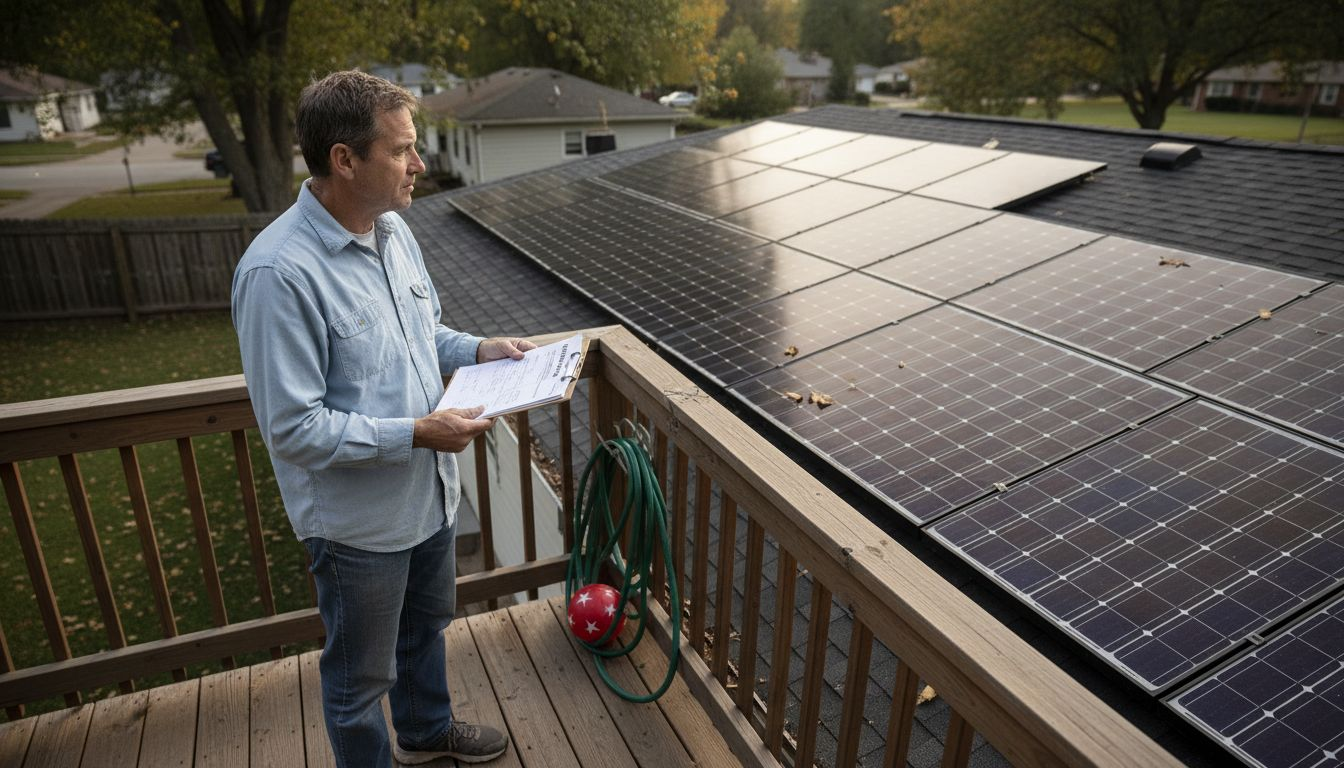
Managing energy costs is becoming more complex as households across Central Europe look for smarter ways to use their solar investments. With electricity, natural gas, and renewables each making up a significant part of home usage, identifying where and how energy is consumed is key. By focusing on advanced energy management systems and innovative battery storage, property owners can harness solar power more efficiently and prepare their homes or businesses for a sustainable future.
Table of Contents
Quick Summary
Key Takeaway | Explanation |
1. Conduct a comprehensive energy audit | Assess your monthly energy consumption to identify high-usage appliances and peak times. This forms the basis for solar optimization. |
2. Choose high-efficiency solar components | Select suitable solar panels, inverters, and battery storage based on your energy needs and roof conditions for maximum efficiency. |
3. Implement a smart energy management system | Utilize an interconnected system to monitor, control, and optimize energy use while coordinating solar generation and storage. |
4. Establish real-time monitoring | Set up a monitoring platform to track performance, analyze energy patterns, and receive alerts for any issues to optimize your solar system. |
5. Regularly fine-tune your system settings | Continuously analyze energy usage and adjust settings based on performance metrics and machine learning insights for ongoing efficiency. |
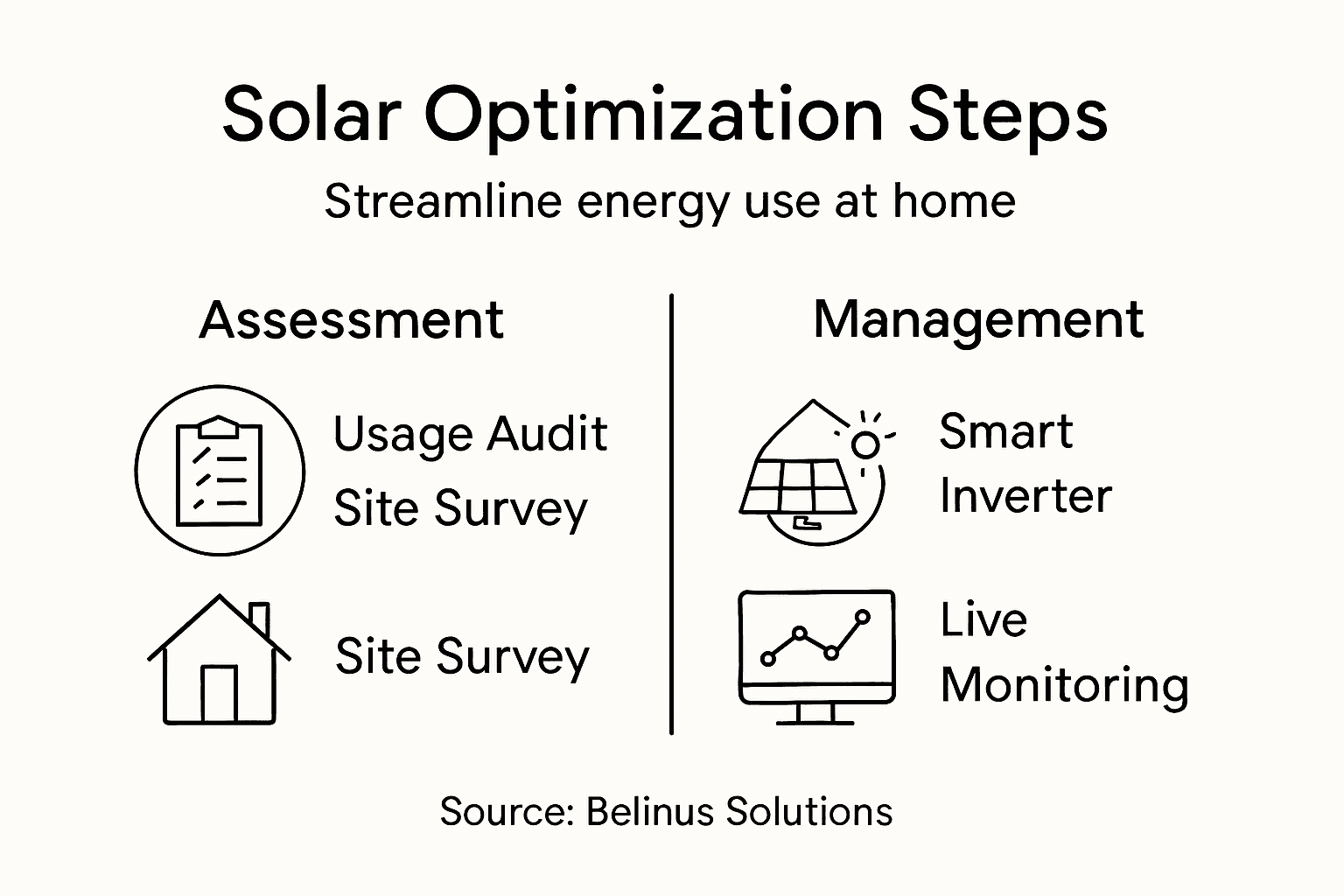
Step 1: Evaluate Energy Usage and Solar Potential
To optimize your home’s solar energy potential, you must first understand your current energy consumption patterns. Household energy consumption data reveals critical insights into how European homes utilize electricity and where solar investments can yield the most significant returns.
Start by conducting a comprehensive energy audit that tracks your monthly electricity usage across different appliances and systems. You’ll want to examine:
Total monthly kilowatt-hour (kWh) consumption
Peak energy usage times
Seasonal variations in electricity demand
Major electricity-consuming appliances
Utilize smart meter data or energy monitoring devices to collect precise consumption information. These tools provide granular insights into your household’s energy profile, helping you understand which systems and times of day represent the highest energy demands.
Next, assess your home’s solar potential by evaluating key factors such as roof orientation, available sunlight hours, shading from nearby structures, and geographical location. Central European homes typically have excellent solar generation potential, with most regions receiving 1,000-1,600 kWh of solar energy per square meter annually.
Accurate energy consumption data is the foundation of an effective solar optimization strategy.
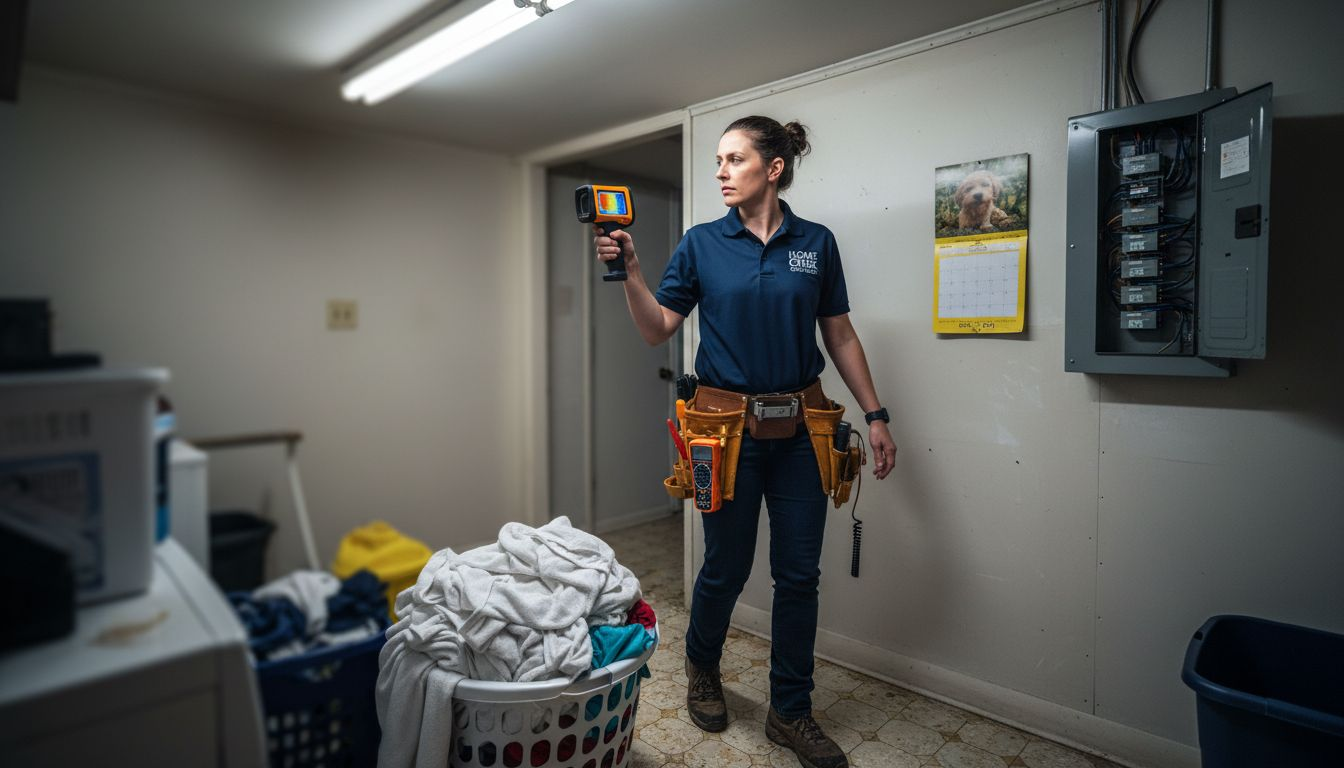
Pro Tip: Consider using professional energy audit services that can provide detailed thermal imaging and comprehensive consumption analysis to maximize your solar investment accuracy.
Step 2: Install Intelligent Solar and Storage Solutions
Now that you’ve evaluated your energy consumption, it’s time to design and implement an intelligent solar and storage system tailored to your home’s specific needs. Integrating solar with storage allows you to maximize energy efficiency and create a resilient home power infrastructure.
Your installation process should focus on several critical components:
Solar Panel Array: Select high-efficiency photovoltaic panels matching your roof’s orientation and available sunlight
Inverter System: Choose an intelligent inverter capable of managing both solar generation and battery storage
Battery Storage Unit: Install a scalable energy storage solution that can store excess solar production
Smart Energy Management System: Implement a centralized control platform for monitoring and optimizing energy flows
Work with certified solar installation professionals who can conduct a detailed site assessment and design a system precisely matched to your energy audit results. This ensures optimal panel placement, correct electrical integration, and maximum return on your solar investment.
Here’s a summary of core technologies involved in intelligent solar and storage solutions:
Technology Component | Purpose | Impact on Home Energy Efficiency |
Photovoltaic Solar Panels | Generate electricity from sunlight | Reduces grid dependence |
Smart Inverter Systems | Convert solar to usable electricity | Manages energy flows efficiently |
Scalable Battery Storage | Store excess solar production | Enables nighttime consumption |
Centralized Management Hub | Monitor and control energy devices | Optimizes system performance |
Intelligent solar solutions transform your home from an energy consumer to an energy producer.
Pro Tip: Schedule your solar installation during shoulder seasons like spring or autumn to potentially benefit from lower installation rates and minimize project disruption.
Step 3: Integrate Advanced Energy Management Systems
Transforming your home into an intelligent energy ecosystem requires implementing a comprehensive smart energy management system that coordinates solar production, storage, and consumption. IoT-based control technologies enable seamless interconnectivity and advanced energy optimization across your entire home infrastructure.
To successfully integrate your advanced energy management system, focus on these key implementation strategies:
Centralized Control Platform: Install a smart hub that connects all energy-related devices and systems
Intelligent Communication Protocols: Ensure your devices can communicate and share real-time energy data
Automated Energy Routing: Configure systems to automatically prioritize solar generation and battery storage
Remote Monitoring Capabilities: Set up mobile and web-based interfaces for tracking energy performance
The most effective energy management systems use machine learning algorithms to predict and optimize your energy consumption patterns. These systems analyze historical usage data, weather forecasts, and real-time electricity pricing to make intelligent decisions about energy generation, storage, and consumption.
The following table compares traditional energy management with advanced smart systems:
Feature | Traditional Systems | Smart Energy Management |
Data Collection | Manual readings | Real-time digital tracking |
Efficiency Optimization | Static settings | Dynamic, automated analysis |
Remote Access | Not available | Accessible via app/web |
Integration Capability | Limited device support | Connects diverse appliances |
Smart energy management transforms your home into a responsive, efficient power ecosystem.
Pro Tip: Invest in an energy management system with open API capabilities to ensure future compatibility and flexible integration with emerging smart home technologies.
Step 4: Configure Real-Time Monitoring and Controls
Taking control of your solar energy system requires implementing a sophisticated real-time monitoring platform that provides comprehensive insights into your home’s energy ecosystem. Solar monitoring and management software enables you to track performance, optimize energy consumption, and make data-driven decisions about your solar infrastructure.
To effectively configure your monitoring system, focus on these critical setup elements:
Dashboard Configuration: Create customized views that display key energy performance metrics
Data Integration: Connect all solar, battery, and grid-related devices for holistic monitoring
Alert Management: Set up custom notifications for system performance issues or unusual energy patterns
Performance Tracking: Establish baseline metrics and create comparative reporting frameworks
Modern monitoring systems go beyond simple data collection. They use advanced algorithms to analyze your energy consumption patterns, predict potential inefficiencies, and recommend optimization strategies. This proactive approach allows you to continuously refine your energy management strategy and maximize your solar investment.
Real-time monitoring transforms your solar system from a passive generator to an intelligent energy management tool.
Pro Tip: Choose a monitoring platform with open API capabilities to ensure seamless integration with future smart home technologies and emerging energy management solutions.
Step 5: Verify Optimization and Fine-Tune Settings
Achieving maximum solar energy efficiency requires continuous monitoring, analysis, and strategic adjustments to your system’s performance. Machine learning algorithms enable predictive optimization that can dramatically reduce energy consumption while maintaining your home’s comfort levels.
To effectively verify and fine-tune your solar energy management system, implement these key optimization strategies:
Performance Benchmarking: Compare current energy consumption against historical baseline data
Automated Load Scheduling: Configure appliances to operate during peak solar generation times
Consumption Pattern Analysis: Identify and minimize energy waste through detailed usage insights
Dynamic Settings Adjustment: Use machine learning recommendations to continuously optimize system performance
The most sophisticated energy management systems use advanced predictive models that can forecast demand, automatically adjust appliance operations, and provide real-time recommendations for energy optimization. By iteratively refining your system’s settings, you can achieve significant energy savings without compromising your lifestyle.
Continuous optimization transforms your solar system from a static installation to a dynamic, intelligent energy management solution.
Pro Tip: Schedule quarterly system reviews to validate optimization settings and ensure your solar energy management continues to adapt to changing household consumption patterns.
Unlock Your Home’s Full Solar Potential with Belinus Solutions
Optimizing solar energy consumption can be challenging without precise data and intelligent management. This article highlights the importance of understanding your household energy patterns and integrating advanced energy management systems that enable real-time monitoring and dynamic optimization. At Belinus, we address these exact pain points by offering a comprehensive suite of residential solutions designed to turn your home into an efficient, self-sustaining energy ecosystem.
Take control of your solar investment today with Belinus products like our Energy Wall G1 graphene supercapacitor and smart inverters integrated through a centralized Energy Management System. Our technology ensures seamless coordination between solar generation, battery storage, and consumption to maximize savings and resilience. Visit Belinus now to discover how our cutting-edge solutions can help you fine-tune your solar energy strategy and secure a smarter energy future.
Frequently Asked Questions
How can I evaluate my home’s energy usage to optimize solar energy consumption?
Start by conducting a comprehensive energy audit that tracks your monthly electricity usage across various appliances. Use smart meters or energy monitoring devices to collect precise data on total kilowatt-hour consumption and peak energy usage times, allowing you to identify areas for improvement.
What factors should I consider when assessing my home’s solar potential?
Evaluate your roof’s orientation, available sunlight hours, and any potential shading from nearby structures. By confirming these elements, you can understand the solar generation potential specific to your location and enhance your installation’s effectiveness.
What components should my solar and storage system include for optimal performance?
Focus on selecting high-efficiency photovoltaic panels, an intelligent inverter for managing solar generation, scalable battery storage for excess production, and a smart energy management system. Each component plays a crucial role in maximizing energy efficiency and creating a resilient home power infrastructure.
How can I integrate advanced energy management systems into my solar setup?
Install a centralized control platform that connects all energy-related devices, enabling real-time communication and automated energy routing. Take the time to set up automated settings that prioritize solar utilization, which could help reduce grid dependence significantly.
What steps should I take for real-time monitoring of my solar energy system?
Configure a monitoring platform with a customizable dashboard that tracks key energy performance metrics. Set up alert management for unusual energy patterns, which enables quick responses to any performance issues and helps optimize your energy management strategy.
How often should I review and fine-tune my solar energy settings?
Schedule quarterly system reviews to verify performance and refine your energy management settings. By continuously analyzing energy consumption patterns, you can optimize system performance and potentially save around 20% on your energy bills.
Recommended
Comments