Integrating Solar With Storage for Home Energy Savings
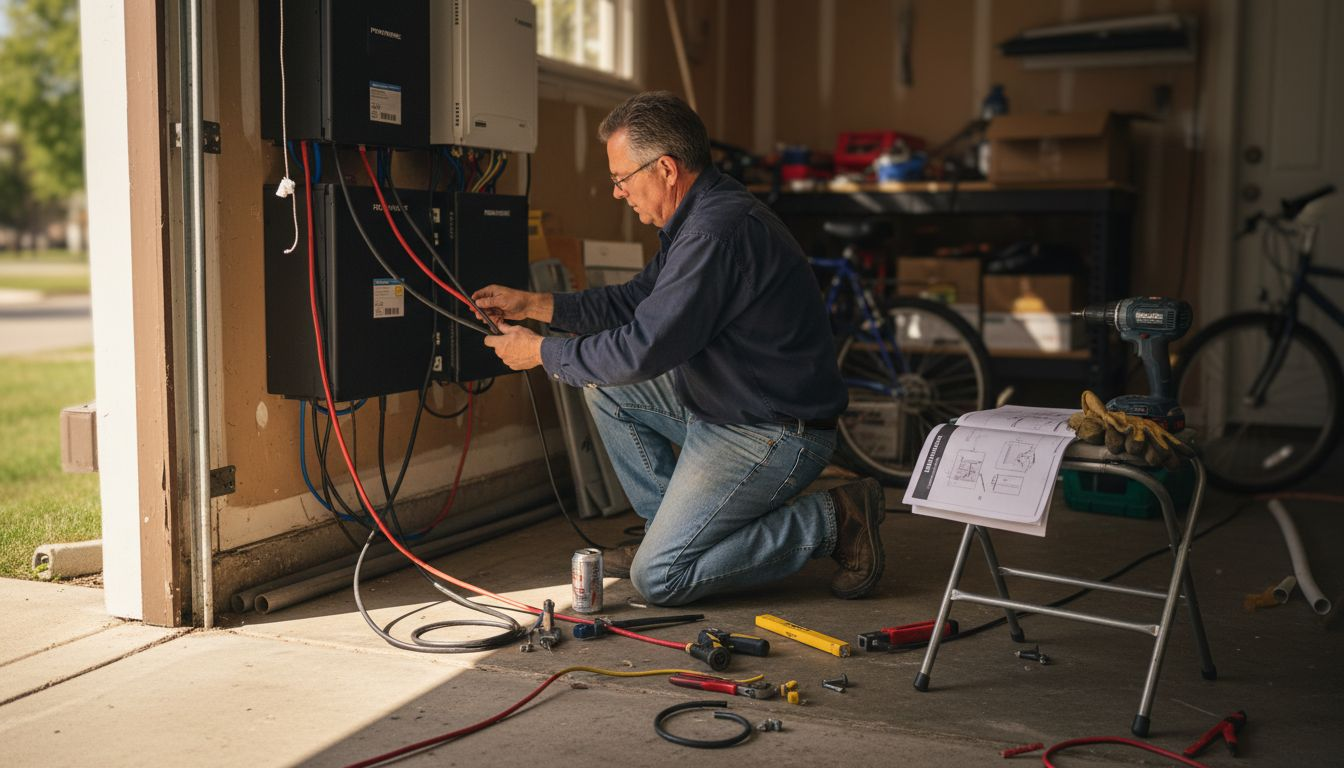
Homeowners in Belgium and the Netherlands now have powerful options to gain more control over rising energy costs. With energy prices climbing, integrating solar panels with battery storage can slash your electricity bills by up to 50 percent compared to conventional American grid power. Adopting this solution not only improves energy independence for European households but also ensures your home stays resilient during outages. Discover clear steps to design and optimize a solar energy system matched to your exact needs.
Table of Contents
Quick Summary
Key Takeaway | Explanation |
1. Assess energy needs precisely | Track your monthly electricity usage to determine peak demands and seasonal variations for effective solar sizing. |
2. Choose compatible systems | Ensure your solar panels and batteries have matching specs for optimal energy flow and efficiency in power usage. |
3. Prioritize professional installation | Work with certified installers to guarantee safe and efficient integration between your solar and battery systems. |
4. Utilize an energy management system | Select and configure a system to monitor and control energy generation and consumption for maximum savings. |
5. Regularly test and optimize performance | Conduct ongoing performance evaluations and adjust settings to improve efficiency and adapt to changing energy needs. |
Step 1: Assess energy needs and storage options
Understanding your home’s energy consumption is the critical first step in designing an effective solar and storage solution. Analyzing your energy usage patterns helps you determine the right system size and maximize potential savings.
Start by collecting a detailed record of your electricity bills from the past 12 months. Review the monthly kilowatt hour (kWh) consumption to identify peak usage periods and overall energy demand. Pay special attention to seasonal variations that might impact your solar and storage requirements. Use your utility bill’s breakdown to understand your baseline consumption and potential opportunities for energy optimization.
Next, conduct a comprehensive home energy audit. Walk through each room and list the electrical appliances and their typical usage patterns. Calculate the total wattage and estimated daily consumption for major energy consumers like refrigerators, heating systems, water heaters, and home electronics. This detailed inventory will help you accurately size your solar panel array and battery storage capacity to meet your specific household needs.
Pro tip: Consider using a smart energy monitoring device to track real time electricity consumption and gain precise insights into your household energy dynamics.
Step 2: Select compatible solar and battery systems
Choosing the right solar panel and battery storage combination is crucial for maximizing your home energy efficiency. Residential battery technologies have evolved significantly with lithium-ion systems becoming the most popular choice for homeowners seeking reliable energy storage solutions.
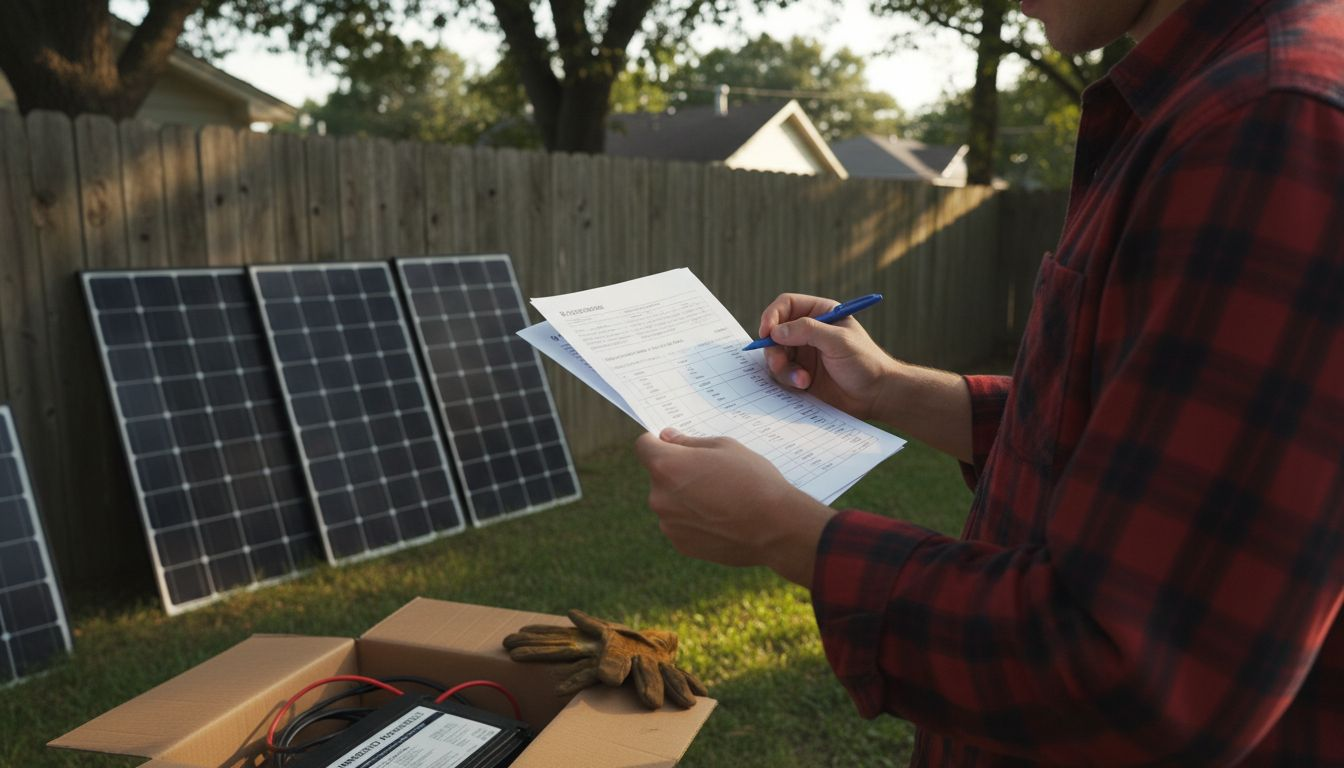
Start by evaluating your solar panels’ electrical characteristics and matching them with compatible battery systems. Look for inverters and battery technologies that support seamless energy conversion and have complementary voltage and capacity specifications. Consider factors like cycle life, depth of discharge, and overall system efficiency. Lithium-ion batteries offer excellent performance with high energy density, longer lifespans, and faster charging capabilities compared to traditional storage technologies.
Carefully assess the technical specifications of potential battery systems. Check the battery’s capacity in kilowatt hours (kWh), round trip efficiency, maximum continuous power output, and warranty terms. Different battery technologies offer unique advantages such as modular designs that allow future expansion or specialized chemistries optimized for specific climate conditions. Ensure the selected system can handle your household’s peak energy demands and provides flexibility for future energy management needs.
Pro tip: Request detailed performance simulations from installers that model your specific energy consumption patterns against proposed solar and battery system configurations.
Here is a comparison of common battery technologies for home solar storage:
Battery Type | Energy Density | Lifespan | Climate Suitability |
Lithium-Ion | High | 10+ years | Excellent for all climates |
Lead-Acid | Moderate | 5-7 years | Poor in extreme temperatures |
Flow Batteries | Variable | 10+ years | Good for large-scale needs |
Nickel-Based | Moderate | 7-10 years | Decent for cold climates |
Step 3: Install and connect storage with solar setup
Installing a home solar storage system requires careful planning and professional expertise to ensure safe and efficient integration of your solar panels and battery storage. This critical step transforms your solar energy setup from a simple generation system to a comprehensive home energy management solution.
Begin by working with a certified solar installation professional who can handle the complex electrical connections between your solar panels, inverter, battery storage unit, and home electrical panel. The installation process involves mounting the battery storage system in a cool, dry location typically near your existing electrical infrastructure. Your installer will carefully wire the battery system to create a seamless connection that allows for efficient energy conversion and storage. Proper electrical connections are crucial for managing charging and discharging cycles that maximize your energy independence and system performance.
After the physical installation, your technician will configure the system’s monitoring and management software. This involves setting up intelligent energy management parameters that determine how and when your battery stores or releases electricity. The configuration will include programming backup power protocols, setting charge and discharge rates, and establishing priority circuits for critical home systems during potential grid outages. These advanced settings ensure your solar storage system operates at peak efficiency and provides reliable backup power when you need it most.
Pro tip: Request a comprehensive walkthrough of your new system’s monitoring interface and ask your installer to demonstrate how to read and interpret real time energy flow data.
Step 4: Integrate with an energy management system
Modern energy management systems represent the brain of your solar storage solution, enabling intelligent control over your home’s energy ecosystem. These sophisticated platforms transform how you generate, store, and consume electricity by providing real-time insights and automated optimization.
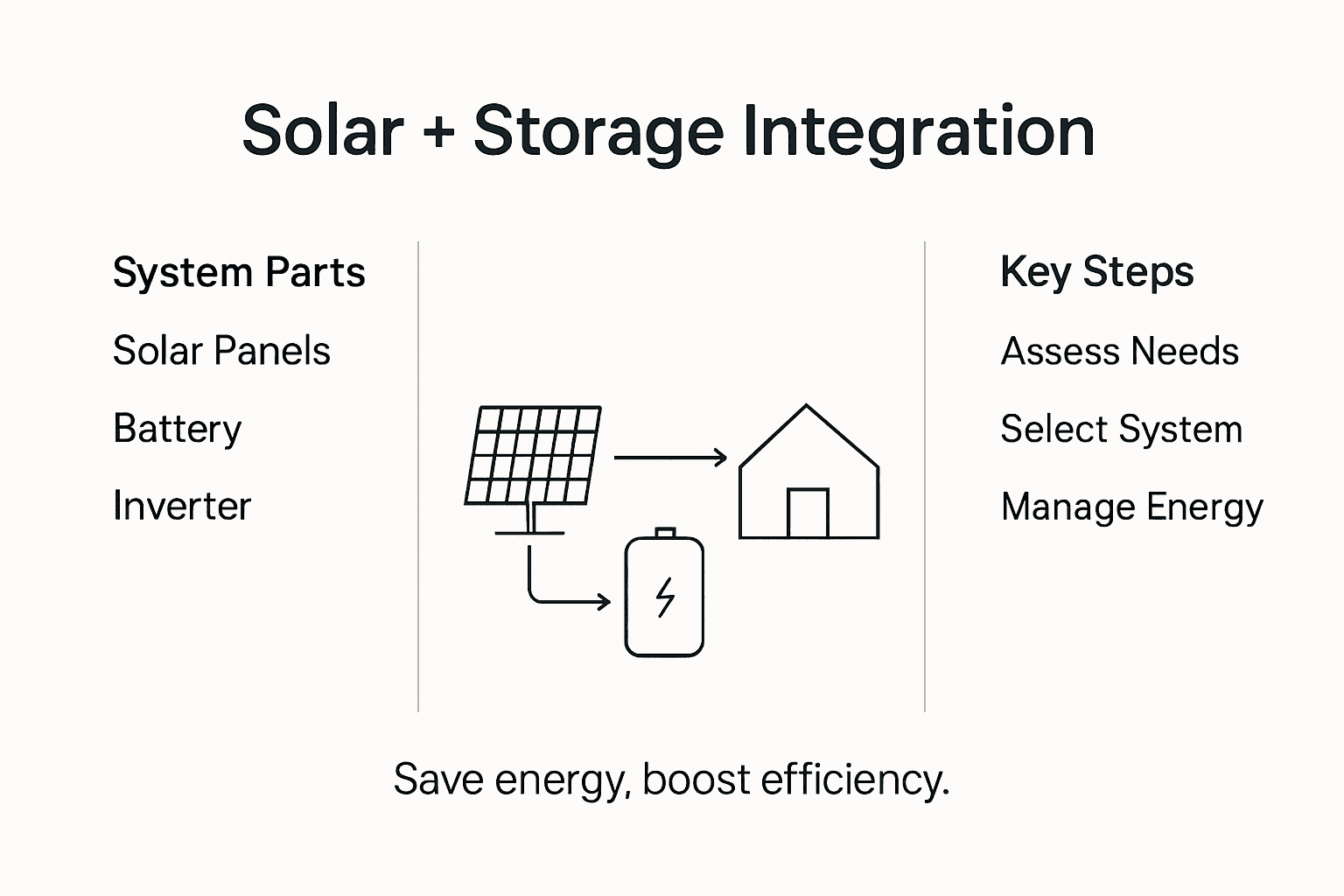
Start by selecting an energy management system compatible with your solar and battery infrastructure. The right software will monitor energy flows, prioritize self consumption, and schedule battery usage for maximum financial savings. Look for systems that offer comprehensive dashboards displaying current generation, storage levels, consumption patterns, and potential cost savings. These platforms typically allow you to set custom rules like prioritizing solar power during peak sunlight hours, storing excess energy for evening use, or automatically switching to battery backup during grid interruptions.
Configuring your energy management system requires careful customization to match your household’s unique energy consumption patterns. Input your historical electricity usage data, set preferences for energy source prioritization, and establish automated charging and discharging schedules. Most advanced systems can integrate weather forecasts to predict solar generation potential and adjust storage strategies accordingly. This intelligent approach ensures you maximize self consumption, minimize grid dependency, and optimize your overall energy efficiency.
Pro tip: Choose an energy management system with mobile app capabilities that allow you to monitor and adjust your home energy settings from anywhere.
Step 5: Test and optimize integrated system performance
Performance monitoring represents the critical final stage of your solar storage system implementation, ensuring your investment delivers maximum energy efficiency and financial returns. Comprehensive testing allows you to fine tune your system and identify potential optimization opportunities.
Begin by conducting a series of systematic performance tests that evaluate your solar storage system from multiple perspectives. Review detailed energy generation and consumption reports generated by your management system. Pay close attention to metrics like solar panel output, battery charging efficiency, energy storage cycles, and grid interaction patterns. Look for unexpected variations or inefficiencies that might indicate areas requiring adjustment. These assessments help you understand how your system performs under different conditions and whether your current configuration maximizes energy savings.
Implement a continuous optimization strategy that involves regular performance reviews and proactive adjustments. Use your energy management system’s analytics to track long term trends in energy production, storage, and consumption. Adjust charging schedules, battery discharge parameters, and solar prioritization settings based on seasonal changes and evolving household energy needs. Consider factors like weather patterns, electricity tariff fluctuations, and changes in your household’s energy consumption habits. This dynamic approach ensures your solar storage system remains finely tuned and continues delivering optimal performance throughout its operational lifecycle.
Pro tip: Schedule quarterly system performance reviews and maintain a detailed log of energy production and consumption to track your system’s ongoing efficiency.
The following table summarizes stages in home solar and storage system integration:
Step | Main Objective | Key Consideration |
Assess Energy Needs | Evaluate household consumption | Seasonal variations |
Select Solar and Battery Systems | Choose compatible technologies | System efficiency |
Installation and Connection | Professional integration | Safe wiring practices |
Integrate Energy Management System | Real-time monitoring and control | Software compatibility |
Test and Optimize | Achieve peak performance | Regular performance logs |
Unlock Your Home’s Full Energy Potential with Belinus Solutions
Integrating solar panels with efficient battery storage is a powerful way to save energy and reduce costs. However, managing the complexities of system compatibility, smart energy management, and ongoing performance optimization can be challenging. The article highlights crucial steps like assessing your energy needs, selecting matching battery technologies such as lithium-ion systems, and leveraging intelligent energy management systems for real-time control and optimization.
Belinus understands these challenges and offers cutting-edge residential solutions tailored to meet your exact needs. Our Energy Wall G1 graphene supercapacitor combined with Solis inverters and a centralized Energy Management System ensures seamless integration and maximum efficiency. With features like dynamic tariff optimization and mobile app monitoring, you gain full control over your home energy ecosystem confident that your system is professionally designed and scalable.
Ready to turn your solar and storage integration into smart savings today

Discover the future of home energy by exploring how Belinus brings you advanced battery storage and energy management at Belinus. Learn more about our residential solutions and get started on optimizing your energy usage with expert guidance from our team.
Frequently Asked Questions
How can I assess my energy needs before integrating solar with storage?
To assess your energy needs, review your electricity bills from the last 12 months to identify your monthly kilowatt hour consumption and peak usage periods. Conduct a home energy audit by listing all electrical appliances and estimating their daily consumption to accurately size your solar panel array and battery storage.
What factors should I consider when selecting solar and battery systems?
When selecting solar panels and batteries, evaluate compatibility in terms of electrical characteristics, capacity, and efficiency. Examine the battery’s cycle life and depth of discharge to ensure it meets your household’s peak energy demands while providing long-term reliability.
What is the process for installing solar panels and battery storage in my home?
The installation process involves consulting with a certified professional who will handle the electrical connections between solar panels, the inverter, and battery storage. They will ensure all components are safely wired and configured for optimal energy management and performance.
How can I optimize the performance of my integrated solar and storage system?
To optimize your system’s performance, regularly monitor energy generation and consumption patterns through your energy management system. Conduct quarterly performance reviews and adjust settings such as charging schedules to adapt to changes in energy needs, which can improve efficiency by approximately 10–15%.
What role does an energy management system play in solar integration?
An energy management system monitors and controls energy flows, helping to prioritize self-consumption and schedule battery usage. By selecting a compatible system, you can automate settings for charging and discharging, maximizing your financial savings and overall energy efficiency.
How can I identify areas for improvement after integrating solar with storage?
To identify areas for improvement, analyze reports from your energy management system focusing on key metrics like battery efficiency and energy cycles. Regularly review these metrics and adjust settings based on seasonal energy consumption patterns to continuously enhance your system’s performance.
Recommended
Comments