7 Key Commercial Solar Benefits for Central European Companies
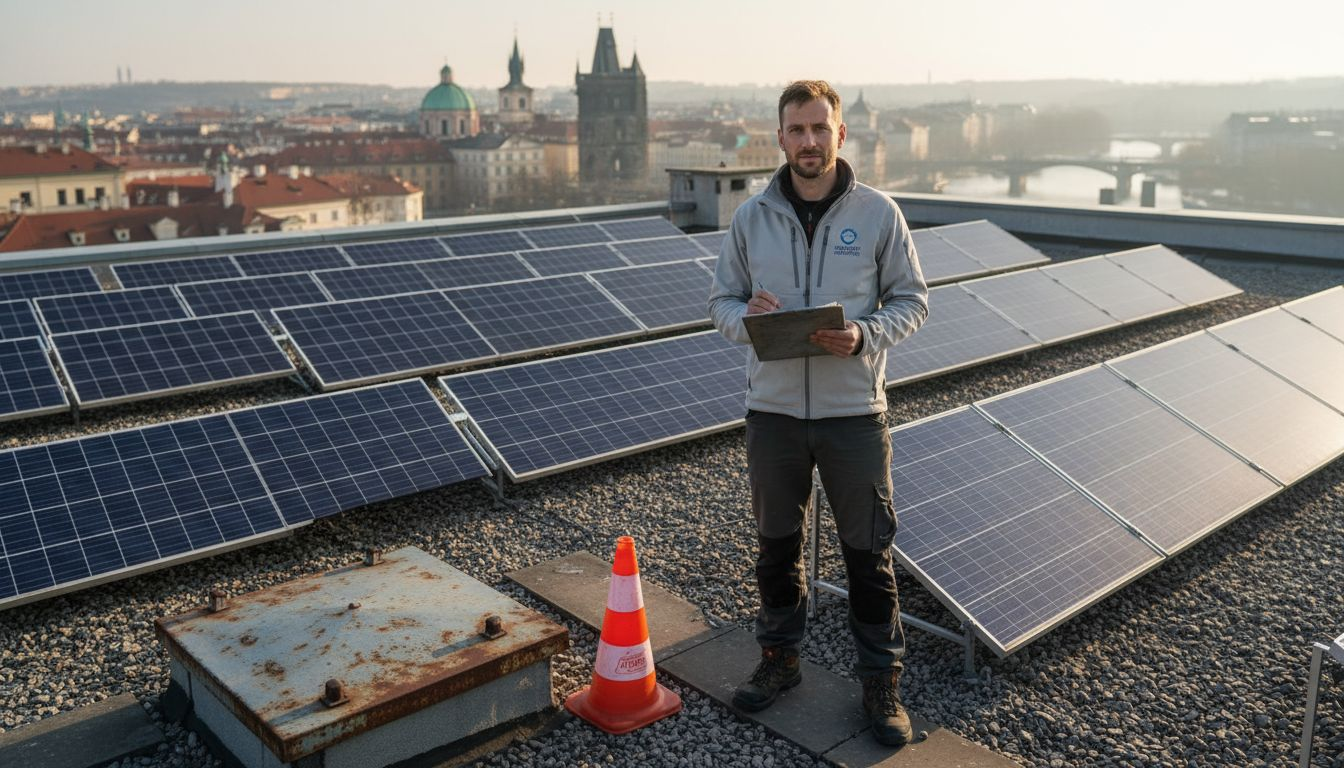
Rising energy prices continue to squeeze operational budgets for mid-sized enterprises across Central Europe while demand for sustainability drives urgent change. American solar innovations are empowering businesses worldwide to cut costs and shrink their environmental footprint. With Central European countries like Hungary generating nearly 25% of their electricity from solar by 2024, your company can capture these financial and ecological benefits through strategic solar investments designed for measurable results.
Table of Contents
Quick Summary
Takeaway | Explanation |
1. Invest in Solar Power for Cost Reduction | Companies can significantly lower energy expenses by implementing photovoltaic systems, enhancing operational savings and sustainability efforts. |
2. Drive ESG Goals with Solar Integration | Adopting solar technologies supports corporate sustainability targets, reduces carbon footprints, and boosts overall reputation among stakeholders. |
3. Utilize Energy Storage for Financial Optimization | Integrating battery storage enables businesses to manage peak energy loads and reduce electricity costs, maximizing solar investment benefits. |
4. Optimize EV Charging with Solar Solutions | Solar-powered charging stations allow businesses to minimize electric vehicle fleet charging costs and reinforce sustainability initiatives. |
5. Implement Dynamic Tariff Management Strategies | Automating energy consumption based on real-time market conditions allows companies to lower electricity expenditures and enhance solar utilization. |
1. Lower Operational Costs with Solar Power
Solar power represents a transformative strategy for Central European companies seeking substantial operational cost reductions. By strategically implementing photovoltaic systems, businesses can dramatically decrease their energy expenses while supporting sustainable infrastructure.
The economic benefits of solar power are substantial. According to recent research, Central European countries have experienced rapid solar power generation growth, with nations like Hungary achieving remarkable solar energy contributions approaching 25% of total electricity generation by 2024. This significant expansion translates directly into lower operational costs for industrial enterprises.
Companies can realize immediate financial advantages through solar investments. By generating their own electricity, businesses eliminate substantial portions of traditional energy procurement expenses. The 2025 Competitiveness Progress Report highlights that clean energy technologies continue to demonstrate exceptional cost competitiveness in the European Union, particularly in the commercial sector.
Implementing solar power involves careful planning and strategic integration. Businesses should conduct comprehensive energy audits, assess their specific power requirements, and design customized solar solutions that maximize return on investment. Grid flexibility and battery storage innovations further enhance operational savings potential, enabling companies to optimize energy consumption and reduce peak demand charges.
Key Financial Advantages:
Immediate reduction in electricity procurement costs
Protection against energy price volatility
Potential revenue through excess energy generation
Significant long term operational expense management
Pro tip: Consult with energy specialists to perform a detailed financial modeling of your solar investment, considering your specific operational profile and regional energy market dynamics.
2. Boost Sustainability and Meet ESG Goals
In the evolving landscape of corporate responsibility, solar power emerges as a powerful strategy for companies committed to achieving meaningful environmental social and governance goals. By embracing solar technologies, businesses can demonstrate tangible progress toward sustainability targets while contributing to broader climate action initiatives.
SolarPower Europe’s landmark sustainability report highlights the solar sector’s comprehensive approach to addressing key environmental challenges across its entire value chain. Central European companies can leverage this opportunity to transform their sustainability commitments from abstract targets to concrete actions.
The strategic implementation of solar power directly supports ESG objectives by delivering measurable environmental benefits. Recent research from energy analysts indicates that Central European solar expansion is displacing coal generation and significantly reducing carbon emissions while simultaneously enhancing energy independence.
Key ESG Benefits of Solar Power:
Substantial reduction in corporate carbon footprint
Demonstrable commitment to renewable energy transition
Transparent environmental impact reporting
Enhanced corporate reputation among stakeholders
Alignment with global sustainability frameworks
Practical Implementation Strategies:
Conduct a comprehensive carbon footprint assessment
Set clear solar energy integration milestones
Develop transparent reporting mechanisms
Engage stakeholders in sustainability journey
Pro tip: Develop a holistic solar sustainability strategy that goes beyond energy generation by considering the entire lifecycle environmental impact of your solar infrastructure.
3. Integrate Energy Storage for Peak Savings
Energy storage has emerged as a game changing solution for Central European businesses seeking to optimize their solar power investments and reduce operational energy expenses. By implementing intelligent battery storage systems, companies can transform their energy management strategy and unlock significant financial advantages.
Commercial energy storage systems are revolutionizing how businesses approach electricity consumption, enabling sophisticated strategies for managing peak energy demands. These advanced systems allow companies to store excess solar energy generated during peak production hours and strategically deploy it during high cost periods, effectively reducing overall electricity expenses.
The financial benefits of energy storage extend far beyond simple energy conservation. European storage technologies are creating new opportunities for businesses to stabilize and optimize their energy costs, with national support programs increasingly incentivizing battery energy storage system installations.
Key Advantages of Energy Storage Integration:
Reduce peak energy consumption charges
Maximize solar energy utilization
Provide backup power during grid disruptions
Create additional revenue through energy trading
Enhance overall energy infrastructure resilience
Practical Implementation Strategies:
Conduct comprehensive energy consumption analysis
Select scalable battery storage solutions
Implement intelligent energy management systems
Explore national storage incentive programs
Design flexible storage configurations
Pro tip: Consult with energy management specialists to develop a customized storage strategy that precisely matches your company’s unique operational energy profile and consumption patterns.
4. Optimize Fleet Charging with Solar-Powered EV Stations
As electric vehicle fleets become increasingly central to business operations, solar powered charging solutions offer a transformative approach to managing transportation energy costs. Central European companies can now leverage cutting edge technologies to dramatically reduce their electric vehicle charging expenses while supporting sustainability goals.
Advanced AI-driven platforms are revolutionizing how businesses manage electric vehicle fleet charging, enabling unprecedented levels of energy efficiency and cost optimization. These sophisticated systems dynamically balance solar energy production, battery storage, and charging demands to maximize operational performance.
Predictive energy management technologies now allow businesses to optimize solar energy consumption during fleet charging operations, with some early adopters in Central Europe reporting up to 70% reductions in charging costs. The integration of intelligent software enables precise energy allocation and significant financial savings.
Key Benefits of Solar-Powered EV Charging:
Reduce fleet charging operational expenses
Minimize grid electricity dependency
Enhance corporate sustainability credentials
Provide predictable energy management
Support long term environmental goals
Implementation Strategies:
Conduct comprehensive fleet energy consumption analysis
Design solar charging infrastructure matching fleet requirements
Implement AI-powered energy management systems
Train staff on new charging technologies
Monitor and continuously optimize charging processes
Pro tip: Develop a phased implementation strategy that allows gradual integration of solar EV charging technologies, starting with pilot programs to validate potential savings and operational benefits.
5. Benefit from Dynamic Tariff Management
Dynamic tariff management represents a sophisticated strategy for Central European businesses to optimize their energy consumption and reduce operational costs. By leveraging intelligent energy management systems, companies can transform their electricity purchasing approach from static pricing to a more responsive and cost effective model.
Dynamic tariffs enable businesses to automate energy consumption based on real time market conditions, creating unprecedented opportunities for financial optimization. These advanced pricing mechanisms allow companies to strategically shift energy loads to periods with lower electricity rates, maximizing their solar power investments and reducing overall energy expenses.
The core principle of dynamic tariff management involves using sophisticated energy management systems that continuously monitor electricity prices and automatically adjust consumption patterns. This approach allows businesses to take advantage of price fluctuations, storing excess solar energy during low cost periods and drawing from battery storage during high price intervals.
Key Advantages of Dynamic Tariff Strategies:
Reduce overall electricity procurement costs
Maximize solar energy utilization
Enhance grid flexibility
Improve energy consumption predictability
Support sustainable energy management
Strategic Implementation Steps:
Install advanced energy management systems
Analyze historical energy consumption patterns
Design flexible load shifting strategies
Implement real time energy monitoring
Train operational staff on new energy management approaches
Pro tip: Conduct a comprehensive energy audit and develop a customized dynamic tariff strategy that aligns precisely with your specific operational energy consumption profile and business requirements.
6. Increase Resilience through Grid Services
As energy infrastructure faces increasing challenges from climate variability and economic uncertainty, solar powered grid services offer businesses a powerful strategy for enhancing operational resilience. By transforming traditional energy consumption models, companies can become active participants in creating a more stable and responsive energy ecosystem.
Renewable energy sources play a critical role in developing decentralized and adaptable energy systems, reducing dependency on centralized grids that are vulnerable to disruptions. Solar technologies enable businesses to create robust energy networks that can withstand extreme weather events and potential infrastructure challenges.
Solar buildings and commercial installations can contribute significantly to grid stability by offering demand response and flexibility services, effectively transforming from passive energy consumers to dynamic grid support mechanisms. By integrating solar panels with battery storage, electric vehicles, and intelligent energy management systems, businesses can actively participate in balancing markets and enhance overall grid resilience.
Key Grid Service Capabilities:
Provide demand response functionality
Support grid frequency stabilization
Enable energy trading and arbitrage
Reduce overall grid stress
Enhance local energy autonomy
Strategic Implementation Approaches:
Install advanced energy management systems
Develop flexible load shifting capabilities
Integrate multiple energy technologies
Create comprehensive grid service protocols
Train operational teams on resilience strategies
Pro tip: Develop a comprehensive energy resilience plan that considers multiple technological integration points and potential grid service opportunities specific to your operational context.
7. Enhance ROI with Automated Financial Modeling
Advanced financial modeling has emerged as a critical tool for Central European businesses seeking to maximize their solar energy investments. By leveraging sophisticated data analytics and predictive technologies, companies can transform complex solar project economics into clear strategic insights.
Automated solar financial forecasting platforms now provide unprecedented precision in evaluating project economics, enabling businesses to simulate multiple scenarios and make confident investment decisions. These tools integrate comprehensive data points including capital expenditures, operating costs, government incentives, and evolving energy price dynamics.
Sophisticated software solutions can transform raw solar generation data into actionable financial insights, allowing businesses to conduct detailed generation analysis, assess potential losses, and develop precise ROI projections tailored to Central European market conditions.
Key Financial Modeling Capabilities:
Generate comprehensive investment scenarios
Assess potential revenue streams
Evaluate risk and performance metrics
Simulate multiple economic conditions
Optimize project financial structures
Strategic Implementation Approach:
Select advanced financial modeling software
Integrate comprehensive company energy data
Develop multiple investment scenarios
Conduct regular performance reviews
Update models with real time market insights
Pro tip: Invest time in training your financial and technical teams to leverage automated modeling tools effectively, ensuring they can interpret and apply complex financial projections.
**Topic** | **Key Focus** | **Benefits/Outcomes** |
Lower Operational Costs | Implement solar power systems to reduce electricity expenses. | Enhanced energy cost savings, protection against price volatility, and potential revenue from energy surplus. |
Sustainability and ESG Alignment | Utilize solar power to contribute towards environmental goals and demonstrate a commitment to renewable energy initiatives. | Reduced carbon emissions, improved corporate reputation, and alignment with sustainability frameworks. |
Energy Storage Integration | Adopt battery storage solutions to enhance solar energy utilization and manage peak energy demands effectively. | Optimized energy usage, backup power availability during outages, and overall cost reductions. |
Solar-Powered Fleet Charging | Implement solar-based electric vehicle charging stations integrated with AI-driven systems. | Reduced fleet operation costs, improved sustainability efforts, and advanced energy management capabilities. |
Dynamic Tariff Management | Use intelligent systems to optimize energy usage based on real-time market tariffs. | Lower energy expenditures, increased solar system efficiency, and strategic electricity consumption. |
Grid Services Enhancement | Transform energy consumption patterns to support grid stability and resilience. | Demand response capabilities, grid frequency stabilization, and enhanced energy autonomy. |
Advanced Financial Modeling | Leverage tools to predict and analyze solar investment outcomes. | Informed investment decisions, maximized return on investments, and risk mitigation strategies. |
Unlock the Full Potential of Solar Power for Your Business Today
Central European companies face important challenges to reduce operational costs and meet ambitious sustainability targets. The key to overcoming these lies in combining solar power, energy storage, and advanced energy management strategies. At Belinus, we understand these specific needs and offer integrated solutions that directly address solar cost optimization, dynamic tariff management, and ESG goals outlined in the article “7 Key Commercial Solar Benefits for Central European Companies.” Our intelligent Energy Management System enables you to maximize solar utilization, reduce peak demand charges, and enhance your company’s energy resilience while improving ROI.
Take the next step to transform your energy future with Belinus’s comprehensive commercial solar solutions. Explore our scalable utility storage modules and advanced fleet EV chargers through our affiliated companies Evonity and SolarPlus. Harness the power of intelligent, real-time energy optimization today and secure a sustainable, cost-effective energy infrastructure designed for Central Europe’s unique market dynamics. Discover how your business can thrive with cutting-edge solar innovation by visiting Belinus now.
Frequently Asked Questions
How can solar power help reduce my company’s operational costs?
Implementing solar power can significantly lower your operational costs by decreasing electricity procurement expenses. Start by conducting an energy audit to understand your current usage, and you can expect to see reductions in energy expenses within a few months of switching to solar.
What are the environmental benefits of using solar energy for my business?
Using solar energy contributes to a substantial reduction in your company’s carbon footprint, supporting your sustainability goals. Consider setting clear solar energy implementation milestones to track progress toward your environmental objectives.
How does energy storage improve my solar investment’s profitability?
Integrating energy storage with your solar system maximizes your energy utilization and reduces peak consumption charges. Explore scalable battery storage options to enhance your financial returns from solar energy over the long term.
What steps should I take to implement solar-powered electric vehicle charging stations?
To implement solar-powered electric vehicle charging stations, start by analyzing your fleet’s energy consumption. Develop a design for your solar charging infrastructure that matches your fleet’s needs, and you could see significant reductions in charging costs soon after installation.
How can dynamic tariff management enhance my energy savings?
Dynamic tariff management can optimize your energy consumption by adjusting to real-time electricity market conditions, leading to lower overall costs. Install an advanced energy management system and regularly analyze your consumption patterns to take full advantage of these savings.
What are the key features of an automated financial modeling tool for solar projects?
An automated financial modeling tool helps simulate various investment scenarios and assess potential revenue streams from your solar projects. Select comprehensive software that integrates your company’s energy data, and you can expect to enhance decision-making and boost ROI accuracy.
Recommended
Comments